



















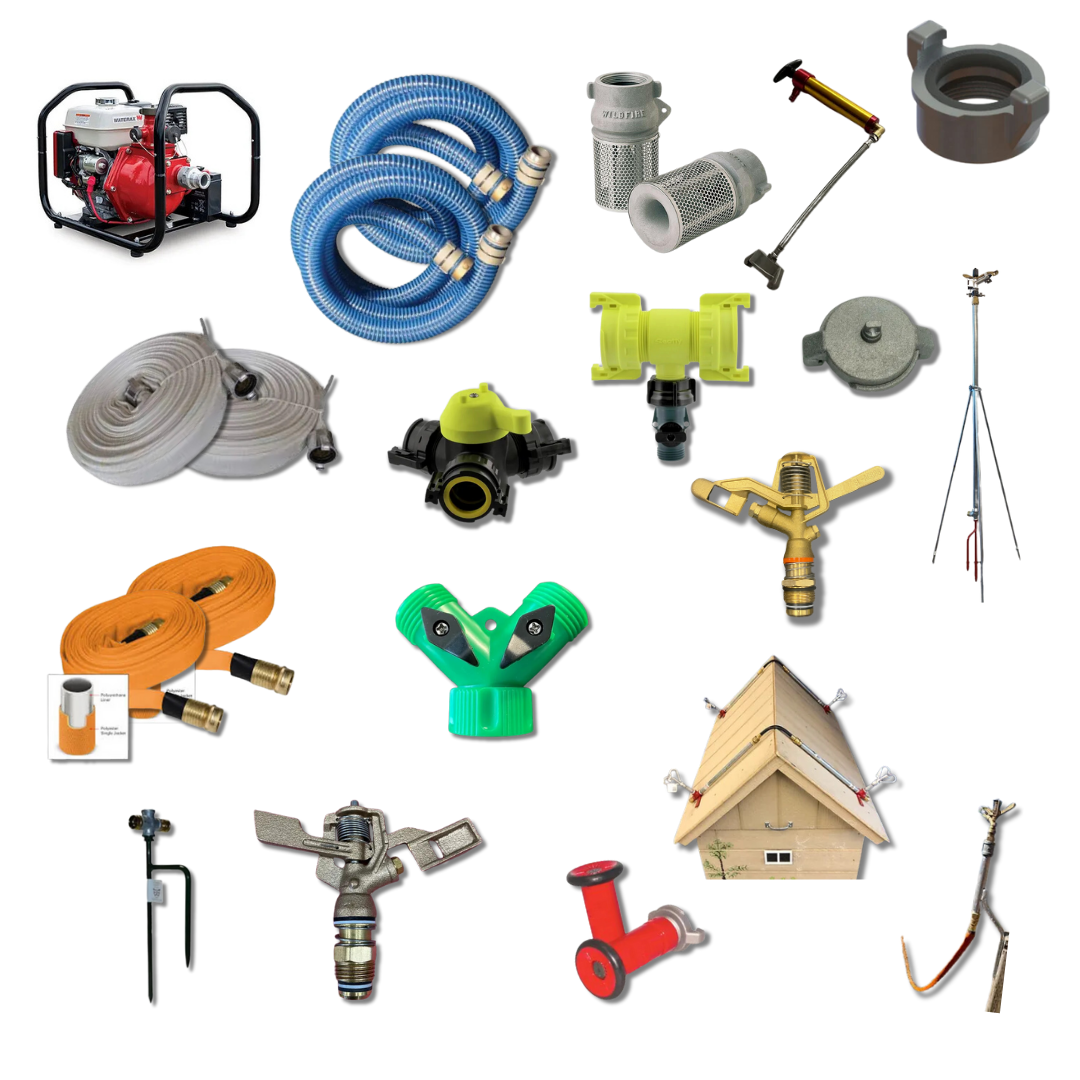
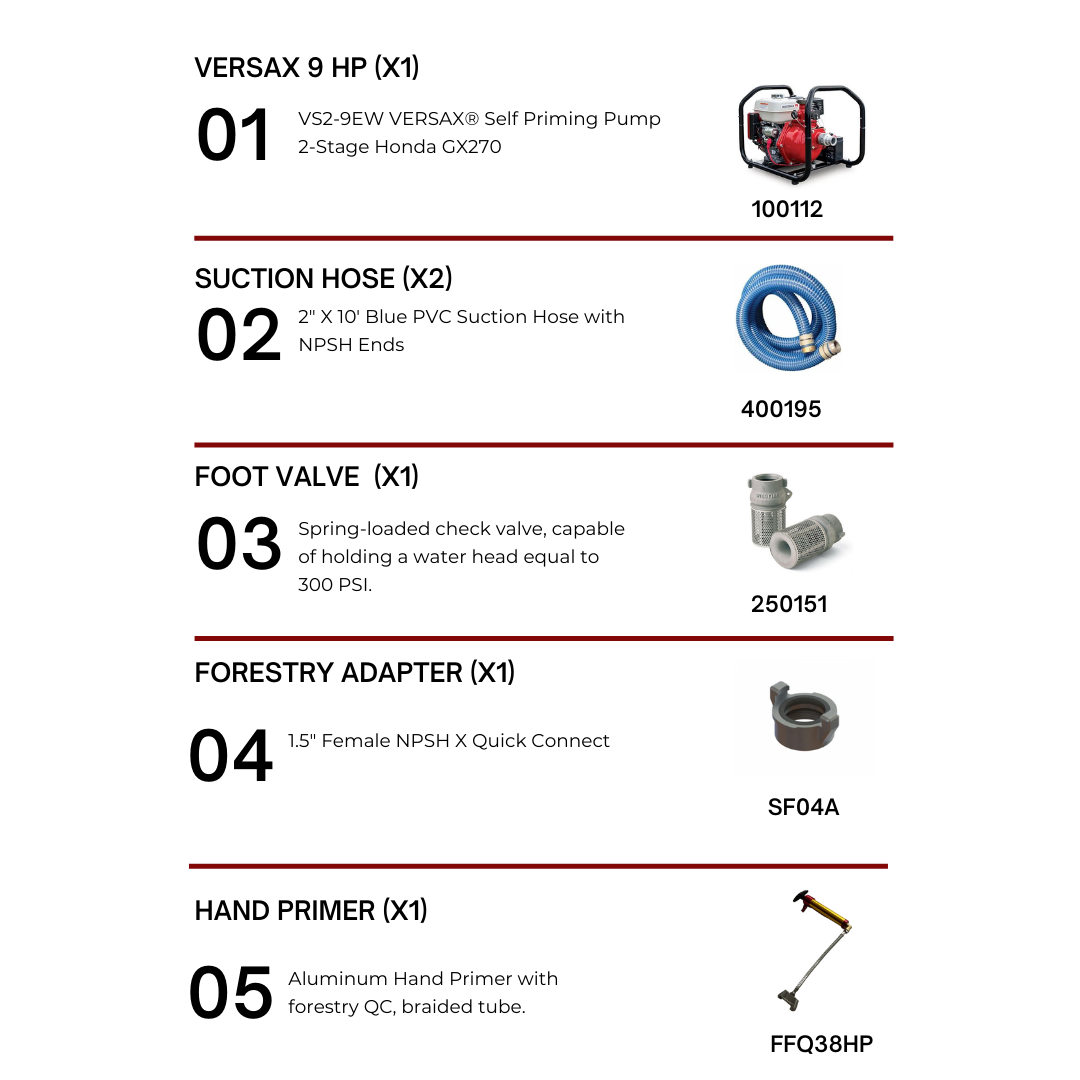

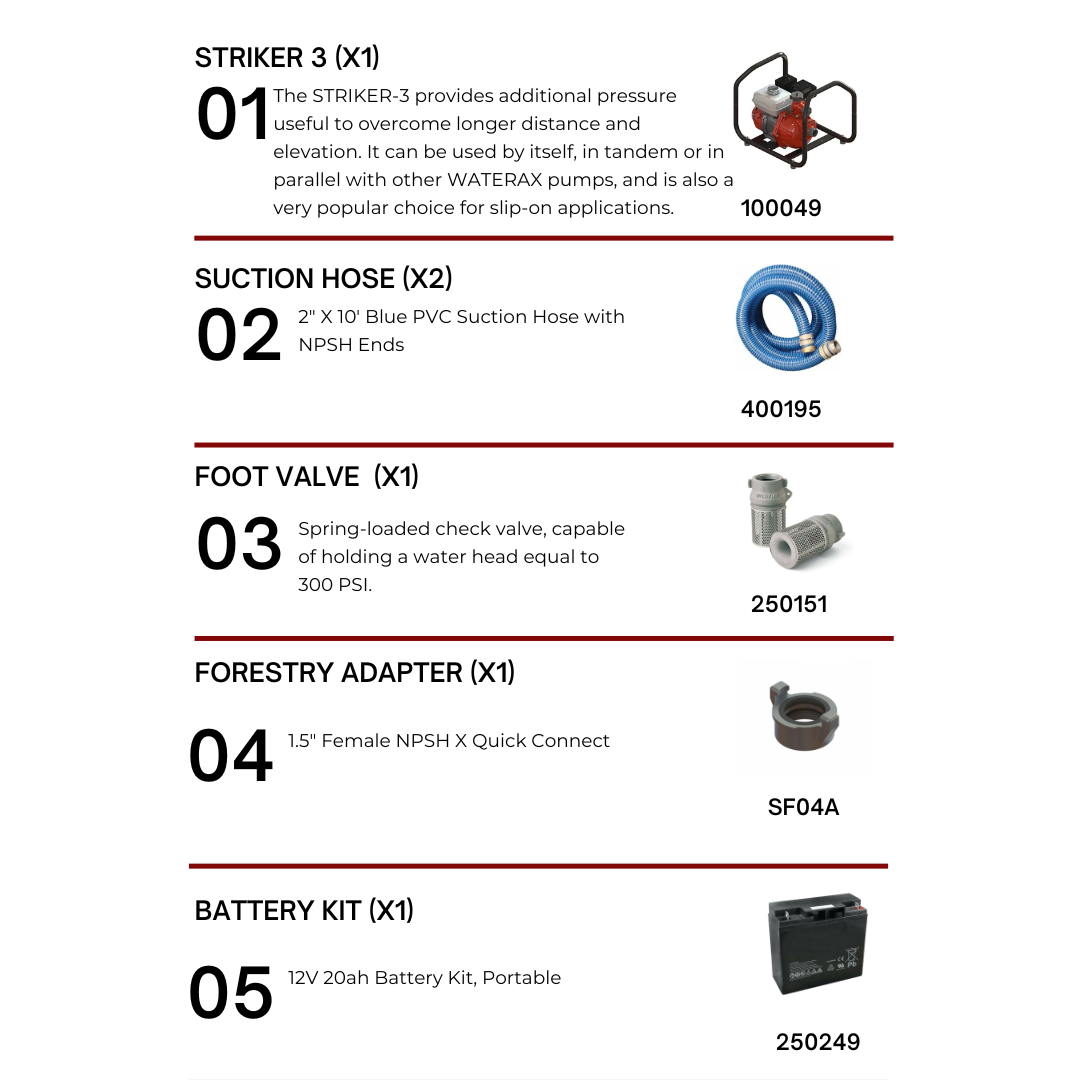







Wildland-Urban Intermix (WUI) communities represent one of the fastest-expanding and highest-risk landscapes in North America. In these areas, residential and commercial structures are woven directly into forests, grasslands, and other vegetated terrain. The proximity between built assets and natural fuels creates a unique challenge: fires no longer remain “wildland” events—they become community events.
Understanding the Wildland-Urban Intermix
The WUI differs from the more commonly discussed “interface” zone. In an interface, development borders wildland vegetation along a clear boundary. In an intermix, vegetation and structures are intertwined across the same footprint. At least 50% of the landscape remains covered by burnable fuel, and structures are often scattered rather than concentrated. That configuration drastically changes fire behavior, ignition likelihood, and suppression complexity.
Across Canada, approximately one in three new housing developments since 2000 has occurred within or adjacent to wildland fuels. As communities grow into vegetated terrain, mitigation planning must evolve from reactionary fire suppression to proactive design, policy, and parcel-level prevention.
Residential development integrated with forest cover illustrates the complexity of intermix planning in Canada.
Expansion Trends and Exposure Growth
Canada’s intermix footprint is growing by thousands of hectares each year, particularly across Alberta, British Columbia, and Ontario. Drivers include rural lifestyle demand, tourism development, and housing affordability near forested areas. Yet municipal planning frameworks and provincial building codes often lag behind this expansion, using outdated hazard maps and inconsistent enforcement of FireSmart or National Fire Code recommendations.
Between 1990 and 2020, North American WUI areas increased by more than 30%, while average suppression costs tripled. The combination of warming climate, extended drought periods, and residential spread has turned once-seasonal wildfire risk into a year-round management concern.
Why Intermix Zones Amplify Wildfire Behavior
Intermix environments create nearly continuous fuel paths. Embers can travel over a kilometer ahead of the main fire front, igniting vulnerable materials long before direct flame contact. Roofing, vents, decks, and combustible fencing provide ignition points. The higher the housing density within vegetated terrain, the faster a fire can transition from vegetation to structure and then from structure back to vegetation.
Ember transport is the leading cause of structural ignition in WUI fires.
Human ignition sources add further complexity. Vehicles parked on dry grass, powerline faults, or recreational burning account for the majority of starts in populated areas. When these incidents occur within intermix settings, access constraints, narrow roads, and limited water supply delay response and evacuation.
Infrastructure and Utility Considerations
Utility corridors, transformers, and overhead lines must be hardened against ignition and damage. Strategic undergrounding of critical lines and clear right-of-way maintenance are cost-effective mitigation measures. Similarly, water infrastructure—hydrants, cisterns, or portable pump access—should be planned for redundancy, recognizing that fire flow demand spikes precisely when power reliability declines.
Building-Vegetation Interface Standards
Effective parcel hardening focuses on the Home Ignition Zone (HIZ), divided into three distances:
Immediate zone (0–1.5 m): Non-combustible surfaces, metal mesh vents, and ignition-resistant materials.
Intermediate zone (1.5–10 m): Pruned and spaced vegetation, removal of firewood, and reduced crown continuity.
Extended zone (10–30+ m): Thinning and fuel modification to reduce flame length and radiant heat.
Construction upgrades such as Class A roofing, tempered glazing, and sealed soffits drastically reduce ignition probability. These interventions are far cheaper during new builds than post-fire retrofits—highlighting the need for updated codes and incentive programs.
Community-Level Mitigation and Governance
Municipalities and regional districts play a pivotal role in coordinating mitigation at scale. Integration of WUI risk mapping into development approvals, zoning, and insurance assessments is essential. Community Wildfire Resiliency Plans (CWRPs) should align infrastructure projects, vegetation management, and public education under one framework rather than separate silos.
Insurance and Economic Impact
Insurance markets are already adjusting to WUI growth. Regions with repeated fire events face premium hikes or reduced availability of coverage. Demonstrating compliance with recognized mitigation standards can help maintain insurability and attract investment, particularly for critical facilities and public utilities.
GIS mapping reveals overlapping vegetation and development, supporting data-driven mitigation.
Mapping and Data-Driven Planning
Modern risk reduction relies on data. Geospatial models that combine vegetation density, slope, prevailing wind direction, and structure proximity now support provincial and municipal planning. Open datasets—such as the Canadian Wildland Fire Information System (CWFIS) and provincial fuel classification maps—allow planners to overlay local development permits with real-time hazard indices.
Artificial intelligence and remote sensing are further enhancing predictive capacity. Satellite-derived thermal anomalies, vegetation moisture indices, and LiDAR-based fuel modeling now inform pre-season planning and budget allocation. Integrating these datasets helps decision-makers target the highest-risk corridors first instead of applying uniform treatment across jurisdictions.
Public Engagement and Behavioral Factors
Education remains the most effective mitigation tool. Residents in intermix communities often underestimate ember risk or the time required to evacuate narrow road networks. Outreach programs that demonstrate real burn-resistant materials, defensible-space layouts, and simple retrofits drive measurable behavior change.
FireSmart Canada’s community recognition program is one model showing results: neighborhoods that achieve certification experience substantially fewer structural losses during nearby fires. Linking these achievements to local incentives—reduced insurance premiums, expedited permits, or property-tax rebates—further reinforces participation.
The Path Forward
The wildland-urban intermix is no longer a fringe planning concern—it’s a defining feature of modern development across much of Canada. The challenge now is integration: embedding fire resilience into land-use policy, infrastructure design, and homeowner practice from the outset. With data-driven mapping, consistent codes, and informed residents, Canada can build communities that coexist safely with the landscapes that surround them.
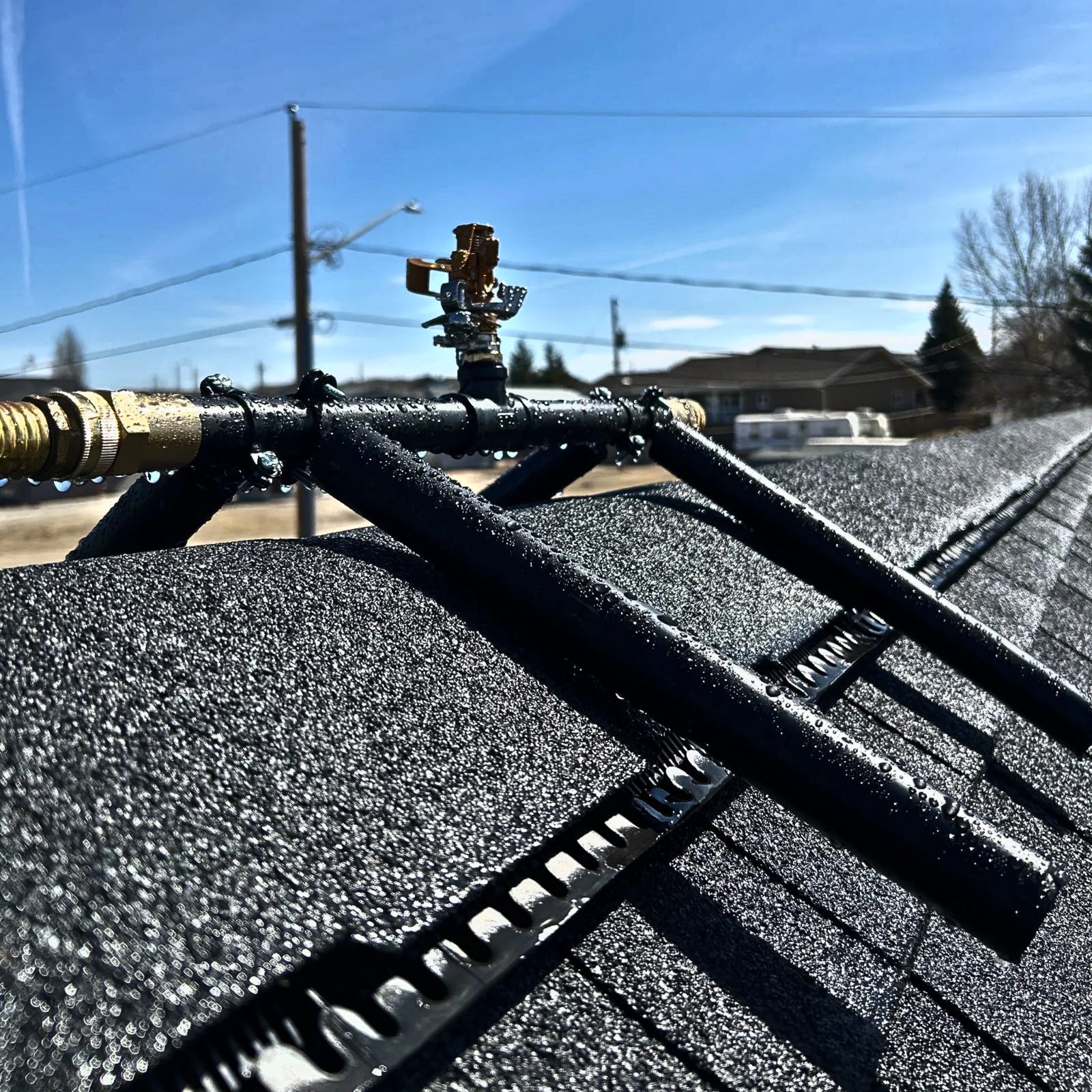
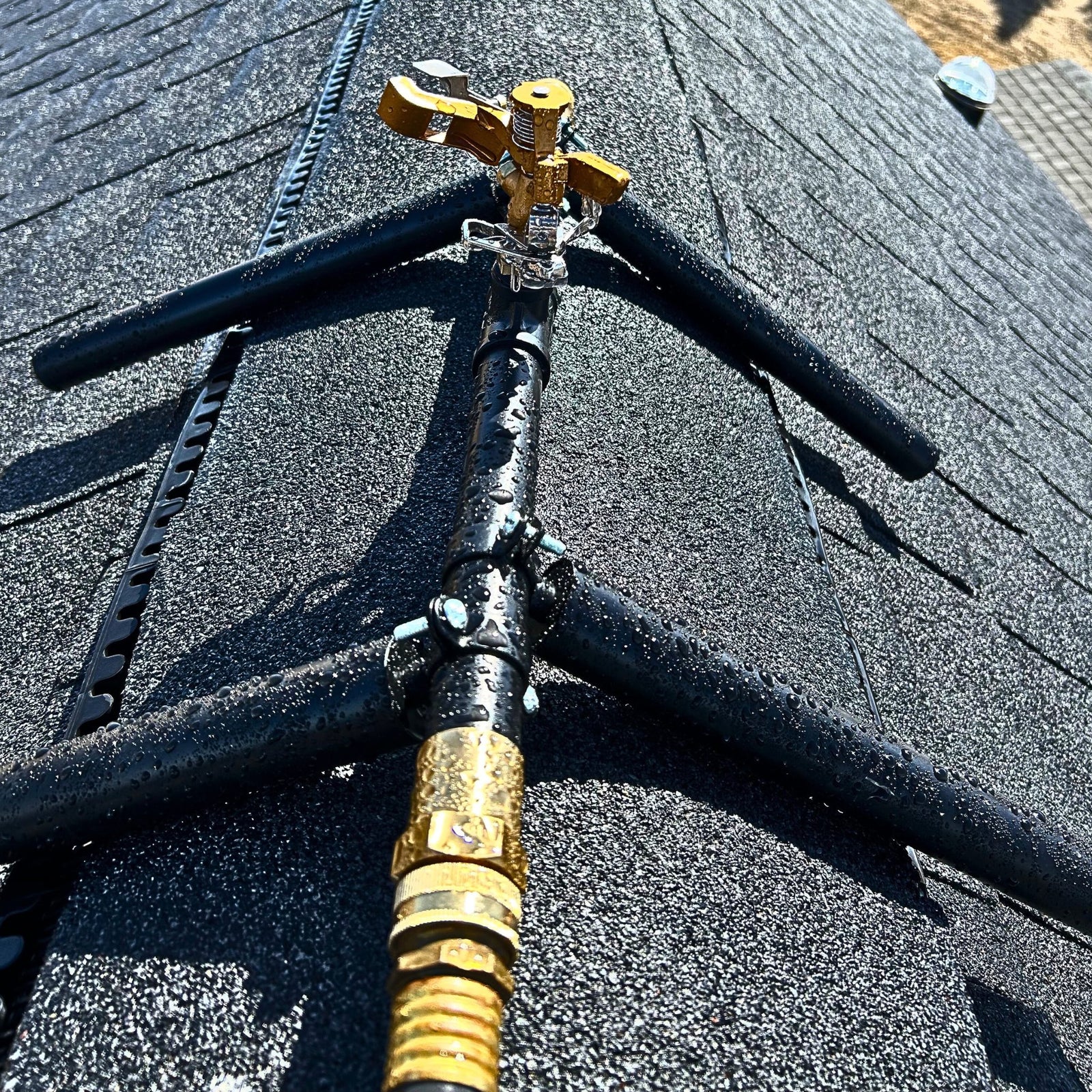
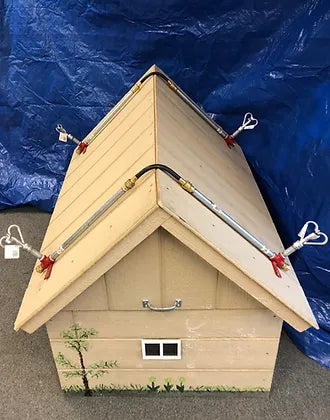
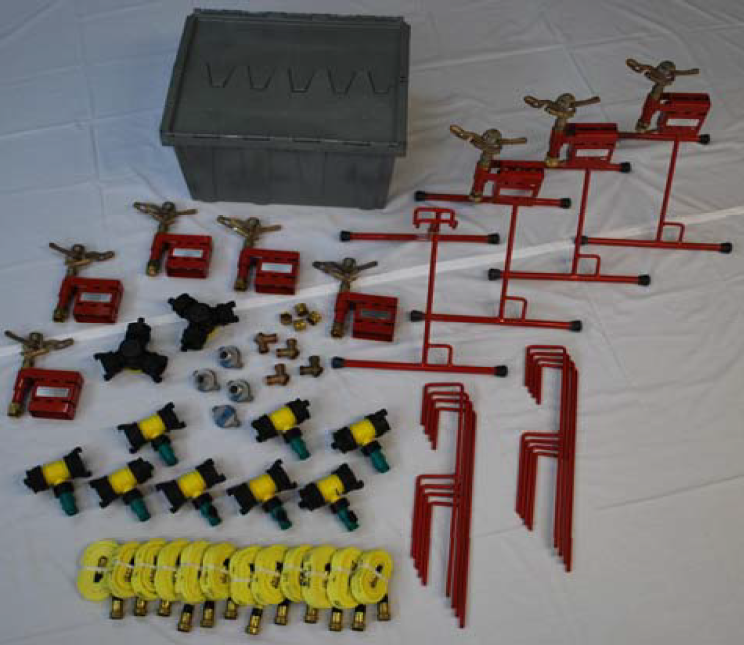
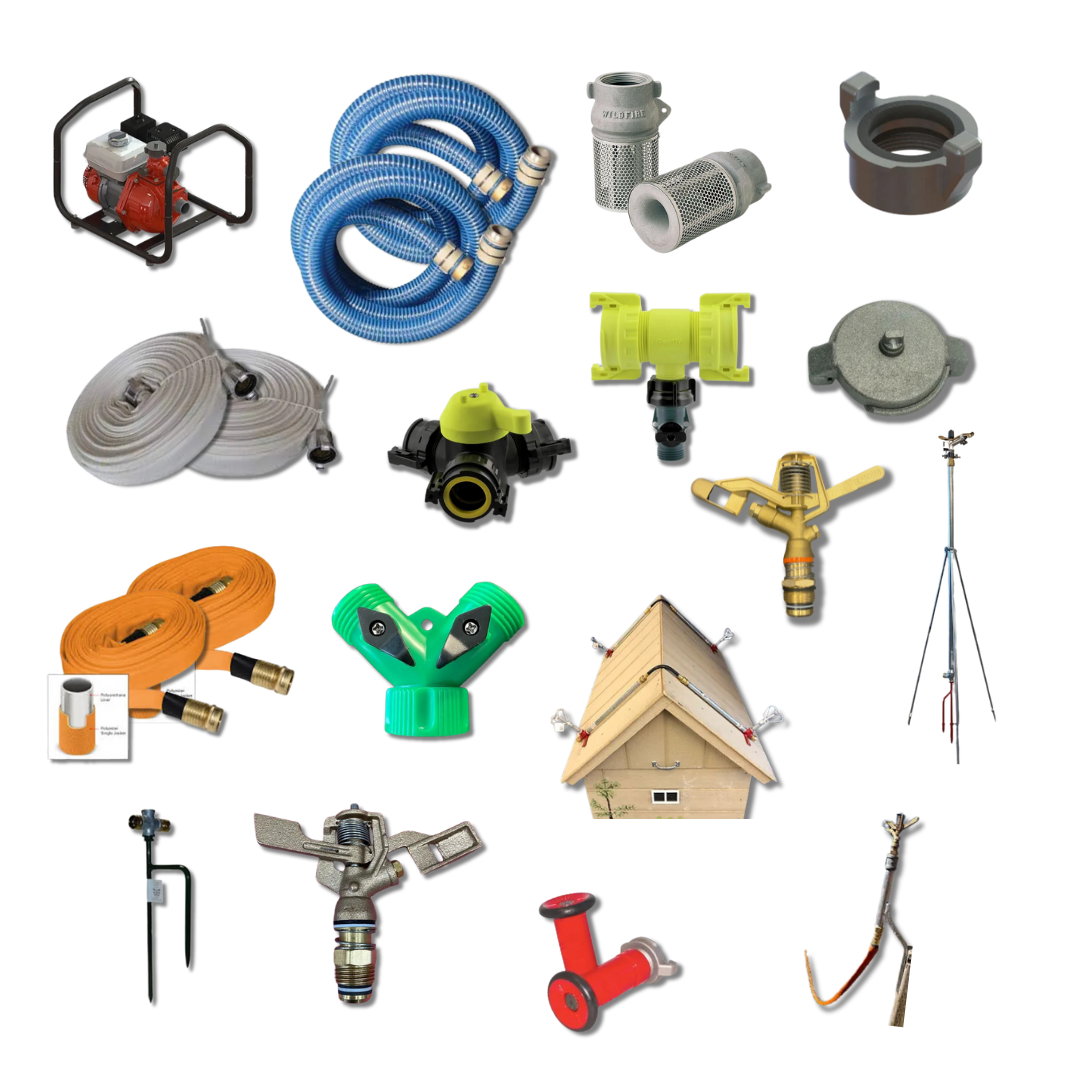
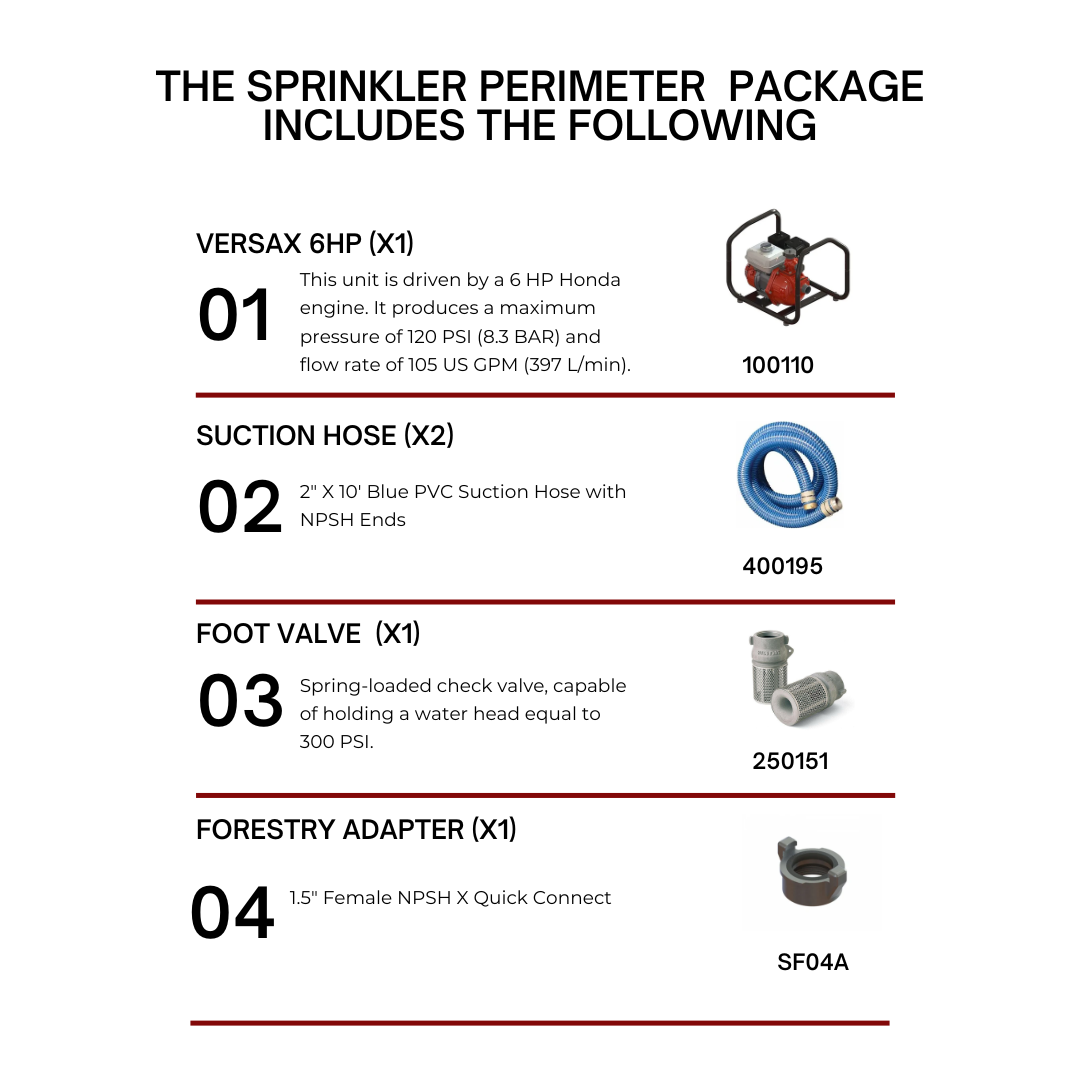
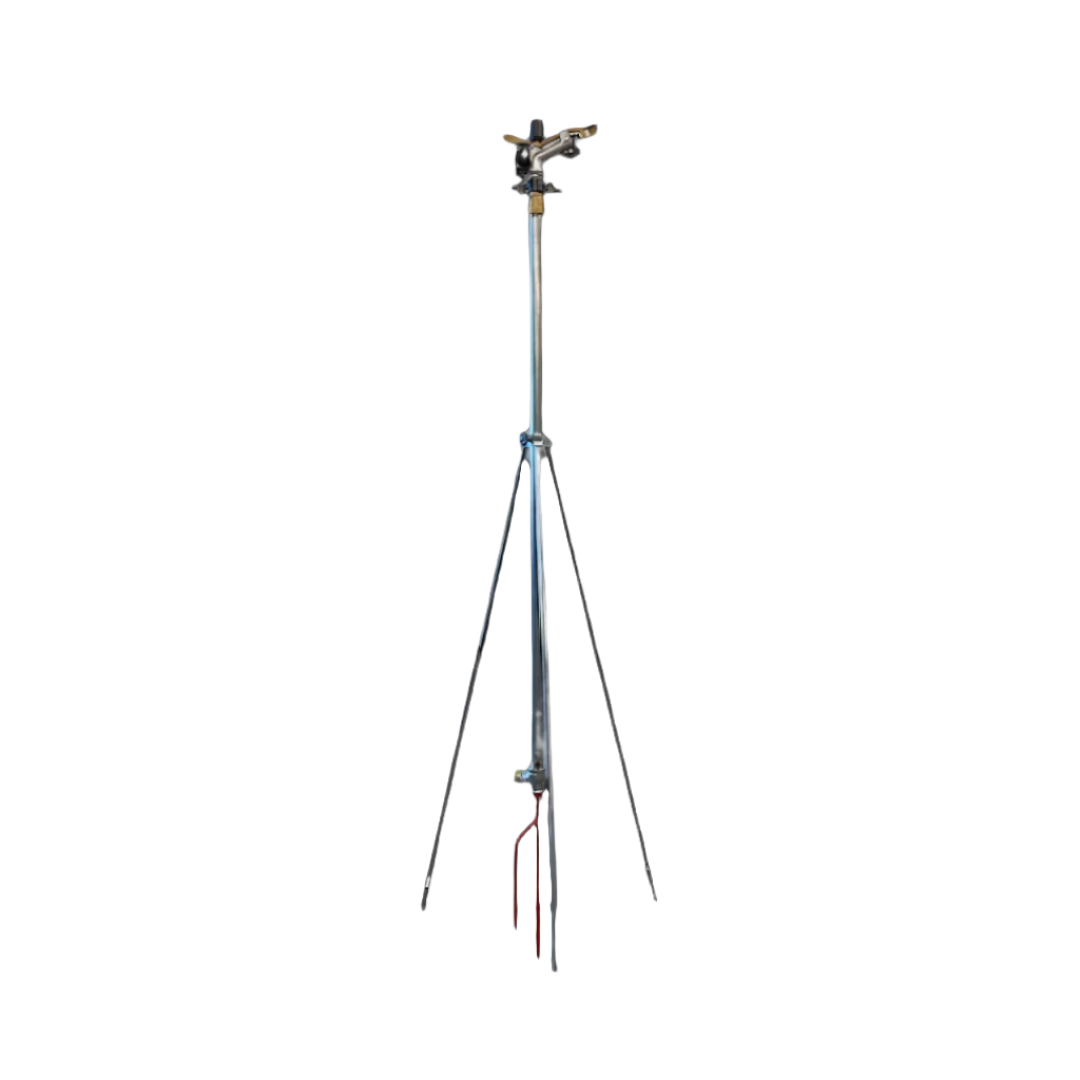
For homeowners and communities seeking practical wildfire protection, explore Flash Wildfire’s sprinkler kits designed to support property defense and perimeter cooling in wildland-urban intermix zones.

Flash Wildfire Services
YOUR PARTNER IN CONQUERING WILDFIRES.
-

Striker Series
STRIKER high-pressure pumps pair a Honda or a Briggs & Stratton Vanguard...
Sprinkler Trailer Delivered to The City of Lethbridge
Media coverage highlighting our Sprinkler Trailer built for the City of Lethbridge. Engineered for reliability and performance, this system strengthens municipal wildfire protection and enhances community resilience across Alberta.

Clearance Items
-
GHT Manual Mechanical Watering Timer
Regular price $10.00 CADRegular price$20.00 CADSale price $10.00 CADSale -
Twin Tip Fog Str. 3/4" GHT 36, 3/16
Regular price $50.00 CADRegular price$150.00 CADSale price $50.00 CADSale -
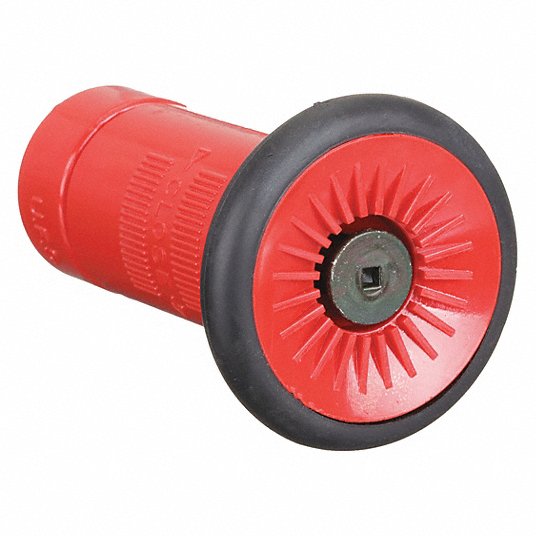
1" NPSH Cordova Nozzle
Regular price $50.00 CADRegular price$150.00 CADSale price $50.00 CADSale -
1.5" NH Cordova Nozzle
Regular price $50.00 CADRegular price$150.00 CADSale price $50.00 CADSale -
1" NPSH 6-Shooter Nozzle
Regular price $50.00 CADRegular price$150.00 CADSale price $50.00 CADSale


MYSTERY RANCH

PROPPER INTERNATIONAL

TRUE NORTH GEAR

CLOGGER


The expanding zone where homes meet wildland vegetation—known as the wildland–urban interface (WUI)—presents significant structural risk during wildfire events. Research shows that most structure losses in WUI fires result from ember transport, radiant heat, and flame contact.
To reduce these risks, mobile Structure Protection Units (SPUs) are emerging as key tactical resources. Equipped to deliver active defence around structures, SPUs strengthen WUI resilience by providing scalable, pre-emptive, and mobile protection during wildfire events.
Understanding SPUs in the WUI Context
SPUs are typically trailer-mounted or mobile assets equipped with pumps, hoses, sprinklers, and rapid-deployment systems. They enable agencies, utilities, and property managers to quickly establish a defended perimeter around structures or neighborhoods in the WUI.
During fast-moving wildfires, standard fire engines may struggle with water constraints, long hose-lays, or rough terrain. SPUs fill that gap by providing dedicated structure-protection capabilities with independent water-delivery systems.
As of 2018, about one-third of U.S. housing units were located in WUI zones—further underscoring the importance of scalable protection strategies like SPUs.
How SPUs Strengthen WUI Resilience
1. Pre-emptive Wetting and Humidity Control
SPUs deploy sprinkler networks that wet roofs, siding, vegetation, and defensible-space zones. This reduces ignition potential from embers and enhances overall structure defendability.
2. Rapid Staging and Strategic Defence
By positioning SPUs in advance of the fire front, responders gain quicker readiness and safer deployment conditions. Mobile SPUs can serve at access points, interface lines, or vulnerable infrastructure corridors to improve response timing.
3. Scalable, Multi-Structure Defence
SPUs can defend clusters of properties or critical infrastructure simultaneously. Some units are configured to protect dozens of structures, making this approach cost-efficient for agencies and municipalities.
4. Integration with Existing Mitigation
SPUs complement defensible-space programs, resistant construction standards, and community planning. They work best as part of a layered strategy combining passive prevention with active suppression tools.
5. Improved Responder Safety
Pre-staged SPUs reduce the need for rushed, high-risk deployment in dynamic fire zones. They streamline operations and contribute to safer, more organized tactical responses.
Key Considerations for Stakeholders
Risk mapping: Prioritize structures based on exposure type and access limitations.
Water supply: Ensure SPUs have reliable access to tanks, hydrants, or tenders and proper pump sizing.
Mobility logistics: Optimize trailer configurations, staging sites, and deployment times.
Operational protocols: Define SOPs for activation, ICS integration, and structure-defence coordination.
Maintenance: Regularly test pumps, hoses, sprinklers, and trailers for readiness.
Integration: Align SPU use with defensible-space programs, building codes, and community outreach.
Performance metrics: Track structure survival rates, deployment efficiency, and overall impact.
Limitations and Practical Realities
SPUs supplement but do not replace foundational wildfire mitigation measures.
Effectiveness depends on access, fuel conditions, and water availability.
Proper timing and staging are critical for successful activation.
Cost and staffing must align with the risk profile of the target zone.
Every WUI area has unique risks that should inform SPU deployment design.
Final Thoughts
For communities, utilities, property owners, and fire agencies operating in WUI zones, Structure Protection Units provide a powerful defence layer. Their mobility, scalability, and precision make them invaluable assets for reducing structure loss and improving firefighter safety.
Deployed as part of a comprehensive WUI strategy—combining defensible space, building hardening, and proactive planning—SPUs play a critical role in strengthening resilience across the wildland–urban interface.

The 2025 wildfire season has reinforced what Canadian emergency managers already know: structure protection is no longer an optional line item—it is critical infrastructure. With 8.78 million hectares burned as of September 16, 2025, ranking this season second only to the catastrophic 2023 fires, and devastating losses in communities from Jasper, Alberta to Denare Beach, Saskatchewan to Conception Bay North, Newfoundland and Labrador, the message is unmistakable: municipalities must act now to secure structure protection capacity for the 2026 fire season.
For procurement officers, fire chiefs, and municipal decision-makers across Canada, the fourth quarter of 2025—October through December—represents the most strategic window to begin specifying, scoping, and budgeting for wildfire structure protection equipment. Waiting until spring 2026 budget approval or summer procurement cycles will compress lead times, risk funding gaps, and potentially leave communities under-equipped when the next fire season arrives.
Canadian Wildfire Context: 2023–2025 Seasons and 2026 Outlook
Escalating Severity and Structure Loss
Canada's wildfire landscape has fundamentally shifted. The 2023 season burned 16.5 million hectares, shattering all previous records and producing more than double the area burned in any prior year. The 2024 season, while less extreme at 5.3 million hectares, still ranked as the sixth-worst on record and included the devastating Jasper wildfire, which destroyed 358 structures and generated $1.3 billion in insured losses—the second-most expensive natural disaster in Canadian history.
As of September 16, 2025, the current season has burned 8.78 million hectares across the country, trailing only 2023 since records began. Manitoba and Saskatchewan bore the brunt of the damage, with over half the total area burned occurring in these two provinces. More than 32,000 Manitobans registered with the Canadian Red Cross after evacuating their homes, and Flin Flon—a city of 5,000—faced a weeks-long evacuation beginning in late May.
Structure losses in 2025 have been catastrophic across multiple provinces. In Denare Beach, Saskatchewan, 218 homes were destroyed by the Wolf Fire, representing the vast majority of the province's 277 primary residential losses. An additional 60 cabins and 160 RVs were burned. The Flin Flon Wildfire Complex generated $249 million in insured damage across Manitoba and Saskatchewan.
Newfoundland and Labrador experienced unprecedented wildfire impacts in 2025. In early May, fires in Conception Bay North destroyed 12 homes and 45 other structures. The situation escalated dramatically in August when the Kingston wildfire ignited on August 3. By the time the fire was contained, 203 structures had been destroyed across nine communities, including homes in Kingston, Western Bay, Ochre Pit Cove, Northern Bay, and Adam's Cove, along with a school and post office. More than 3,000 residents were evacuated, and insured losses exceeded $70 million.
Climate-Driven Trends and the Wildland-Urban Interface
Canada is warming at twice the rate of the global average, with Northern Canada heating up at almost three times the global rate. Since 1948, Canada's annual average temperature over land has warmed 1.7°C, with higher rates seen in the North, the Prairies, and northern British Columbia. This warming has extended fire seasons, increased extreme fire weather, and intensified fire behavior.
Approximately 12.3% of the Canadian population lives in the wildland-urban interface (WUI), which includes 32.1% of on-reserve First Nations populations. Research examining Canadian buildings found that around 83.3% of structures (3,860,918 units) are exposed to wildfires, either directly within the WUI or in close proximity. Nationally, Canada has 32.3 million hectares of WUI, representing 3.8% of total national land area.
Looking Ahead to 2026
Forecasts for October through December 2025 predict above-normal temperatures across Alberta and much of western Canada, with precipitation forecasts showing below-average rainfall in key regions. Alberta's Wildfire Predictive Services reported in July 2025 that the province had experienced 108% more wildfires and burned 159% more hectares than the five-year average for that time of year, and forecasts called for fire activity to remain above normal through September. Natural Resources Canada modeling indicated elevated fire risk for the northern prairies, south-central British Columbia, and northwestern Ontario into late 2025.
Municipal and Agency Budget Cycles in Canada
Fiscal Year Structures and Budget Development Timelines
Most Canadian municipalities operate on a calendar-year fiscal cycle (January 1 to December 31), with the notable exception of Nova Scotia municipalities, which align with provincial and federal governments on an April 1 to March 31 fiscal year. Budget development for the upcoming fiscal year typically begins in the preceding fall, with capital and operating budgets finalized and approved in the fourth quarter or early weeks of the new calendar year.
Typical Municipal Budget Timeline (for January–December 2026 fiscal year):
July–October 2025: Finance departments receive proposals from operational divisions; initial capital project lists developed; preliminary budget guidelines established.
November–December 2025: Draft budgets compiled; management reviews conducted; service level discussions initiated; council presentations prepared.
Late December 2025: Budget presentations to council; public consultations; council deliberations and amendments; final budget adoption.
January 2026: Fiscal year begins; tax rate bylaws passed; procurement processes commence.
Nova Scotia Municipal Timeline (for April 2026 – March 2027 fiscal year):
Nova Scotia municipalities follow the provincial government's April–March fiscal year. Budget deliberations occur in the first quarter of the calendar year, with approval before April 1.
Critically, capital specifications and project scopes must be largely complete before the budget is presented to council. This means the work to define equipment needs, obtain preliminary quotes, validate compliance requirements, and develop business cases must occur in Q4 2025 (October–December) to align with budget submission deadlines.
Trade Agreement and Procurement Requirements
For structure protection equipment—which typically involves capital expenditures exceeding provincial trade agreement thresholds ($75,000 for goods/services; $200,000 for construction under the New West Partnership Trade Agreement in Alberta, Saskatchewan, and British Columbia; higher thresholds under CFTA in other jurisdictions)—competitive public procurement is required.
British Columbia municipalities must typically allow a minimum bidding period of 15 days, with some trade agreements requiring 40+ days for certain thresholds. Municipalities that delay specification work until after budget approval face critical compression: they must rush development, limit supplier outreach, and risk missing grant application deadlines or procurement windows entirely.
Why Q4 2025 Is Critical for 2026 Procurement
Lead Time Realities for Structure Protection Equipment
Fire apparatus manufacturers report significant lead time challenges. Industry sources document that fire apparatus (pumper trucks, tankers) face lead times of 24–36+ months from order to delivery, with manufacturers reporting multi-year backlogs due to chassis shortages, labor constraints, and post-pandemic supply chain disruptions. Fire apparatus manufacturers report labor shortages, particularly for certified Emergency Vehicle Technicians (EVTs) and skilled trades. One Ontario fire chief noted that apparatus costs have increased from $600,000 to $900,000 in just a few years, with delivery timelines extending from months to years.
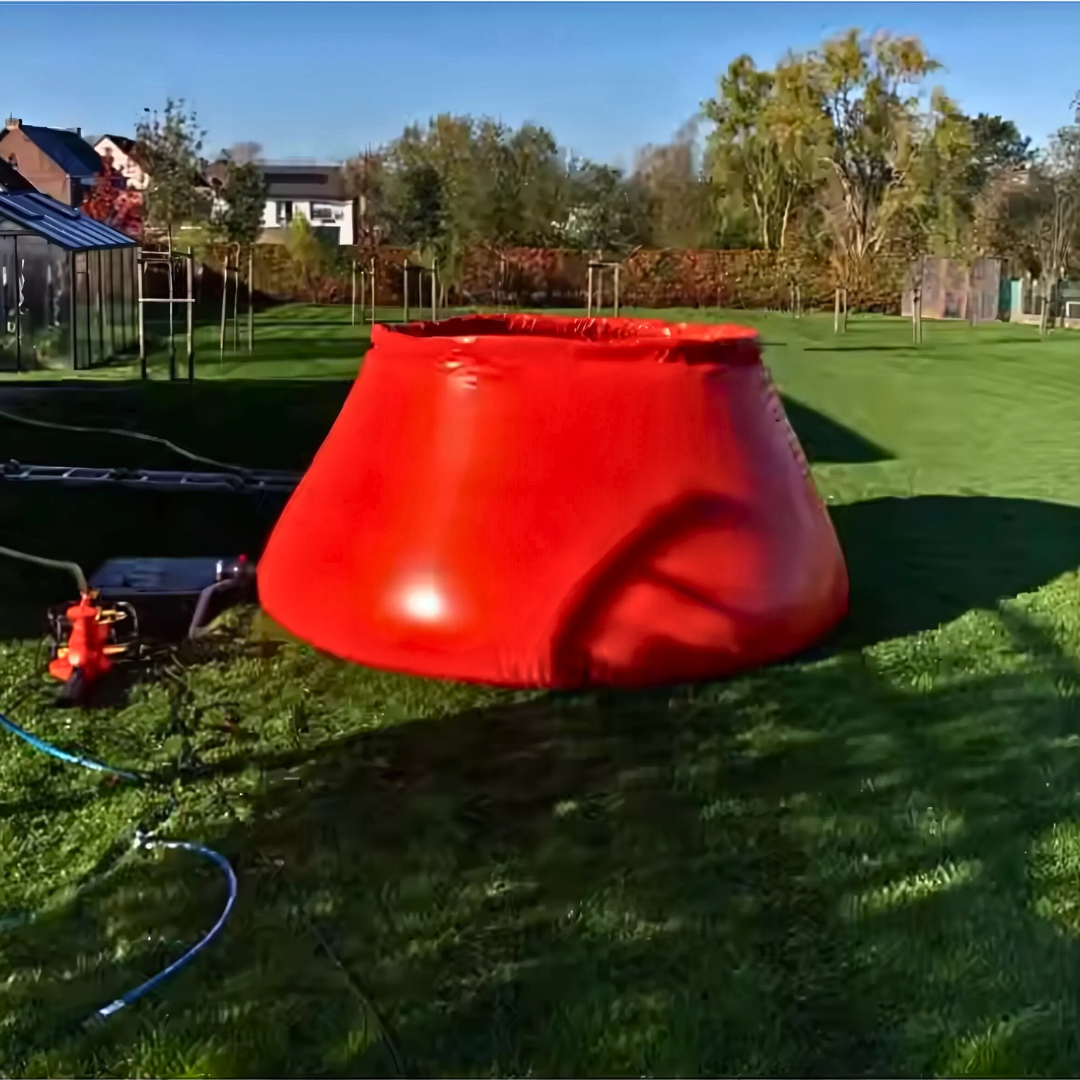
For other structure protection equipment—including sprinkler trailers, pumps, hoses, fittings, nozzles, and portable tanks—municipalities should contact suppliers early in the planning cycle to confirm current availability and lead times, as these vary significantly by vendor, season, and market conditions.
If a municipality begins procurement in May 2026 and completes the full procurement cycle, equipment may not arrive until well into 2027—missing the entire 2026 fire season. By contrast, municipalities that finalize specifications in Q4 2025 and secure budget approval in December 2025 or early 2026 can issue requests for proposals earlier in 2026.
Supply Chain Challenges
Chassis suppliers have multi-year backlogs, and component availability remains unpredictable. When fire conditions intensify in May and June, agencies across North America simultaneously seek equipment, creating bottlenecks and inflating prices. Municipalities that have pre-positioned orders through early procurement can avoid these seasonal demand surges.
Grant and Funding Alignment
Federal and provincial wildfire mitigation funding programs operate on specific application windows and fiscal year cycles. Missing these deadlines can defer projects by an entire year and forfeit substantial cost-sharing opportunities.
Key Funding Programs for 2025–2026:
FireSmart Community Funding and Supports (BC): Open intake from October 1, 2025 to September 30, 2026. Eligible applicants in high-risk WUI zones (Risk Class 1–3) can apply for up to $200,000 per year for up to two years for FireSmart activities, including structure protection planning and equipment. Applications require approved Community Wildfire Resiliency Plans (CWRPs).
Resilient Communities through FireSmart (RCF) Program (Federal): Announced in June 2025, this $104 million multi-year investment supports provinces, territories, and Indigenous communities in wildfire prevention and mitigation. Cost-shared funding agreements require detailed project proposals, budget breakdowns, and compliance with federal procurement and reporting standards.
Indigenous Services Canada Emergency Management FireSmart Program: Ongoing intake until March 31, 2026, or until funds are exhausted. First Nations communities can apply for wildfire risk assessments, crew training, fuel management, and equipment purchases, with proposals reviewed on a rolling basis.
Municipalities that finalize equipment specifications and cost estimates in Q4 2025 can align their applications with these funding windows, ensuring that grant decisions, budget approvals, and procurement schedules are synchronized.
Risks of Waiting Too Late
Project Delays and Missed Readiness Windows
The most immediate risk of delayed planning is missing the 2026 fire season entirely. The Denare Beach fire began on May 6, 2025, and by June 3, more than half the community's structures were lost. Flin Flon evacuated in late May 2025 and remained evacuated for weeks. Equipment that arrives after fire season begins cannot protect communities.
Budget Deferrals and Competing Priorities
Municipal budgets are constrained, and capital projects compete for limited funds. If structure protection proposals are submitted late or lack sufficient detail, finance committees may defer them to the following year, particularly if other infrastructure priorities have better-developed business cases. This deferral can cascade years forward.
Missed Grant Deadlines
Federal and provincial funding programs operate on fixed cycles. Applications submitted after deadlines are typically ineligible, regardless of merit. The FireSmart BC program explicitly states that funding is available "funding permitting" and that applications are processed within the open intake window.
Strategic Recommendations: Q4 2025 to Spring 2026 Blueprint
October 2025: Needs Assessment and Stakeholder Engagement
Key Activities:
Conduct wildfire risk assessments: Review updated provincial fire danger maps, WUI risk classifications, and community wildfire protection plans. Identify priority zones, high-value structures, and critical infrastructure.
Engage operational stakeholders: Convene fire chiefs, emergency management coordinators, public works directors, and finance officers. Define structure protection objectives and operational requirements.
Inventory existing equipment: Catalog current equipment, identify gaps, obsolescence, and maintenance needs.
Research funding opportunities: Review FireSmart, RCF, and provincial/territorial program guidelines. Confirm eligibility, application requirements, and deadlines.
Outputs: Preliminary equipment needs list; stakeholder consensus on priorities; identified funding sources.
November 2025: Specification Development and Supplier Outreach
Key Activities:
Draft technical specifications: Define equipment requirements, referencing industry standards including NFPA, FireSmart Canada guidelines, and provincial operational standards.
Consult equipment suppliers and manufacturers: Request preliminary quotes, lead time estimates, and product availability. Engage vendors through informal Requests for Information to validate specifications and identify potential delivery constraints.
Validate compliance requirements: Confirm that specifications meet provincial trade agreement thresholds, environmental regulations, and safety standards. Engage legal and procurement staff early.
Outputs: Detailed technical specifications; preliminary cost estimates; supplier feedback; compliance checklist.
December 2025: Business Case Development and Budget Finalization
Key Activities:
Develop capital budget submission: Prepare business case for council/finance committee, including rationale (wildfire risk, structure loss data), equipment specifications, cost estimates, funding sources, lifecycle costs, and consequences of not funding.
Align with strategic plans: Link structure protection investments to municipal strategic priorities, FireSmart community designations, emergency management plans, and climate adaptation strategies.
Coordinate with grant applications: Begin drafting FireSmart or RCF program applications if deadlines fall in early 2026.
Internal approvals and contingency planning: Secure endorsements from relevant departments and develop contingency plans if full funding is not approved.
Outputs: Finalized capital budget submission; draft grant applications; management approval.
January–March 2026: Budget Deliberation and Grant Submission
Key Activities:
For Calendar-Year Municipalities:
With budgets approved in late December, begin procurement processes immediately in January. Release RFPs early to maximize lead time for equipment delivery.
For Nova Scotia Municipalities:
Present to council; respond to questions; emphasize urgency based on 2025 fire season impacts.
Submit grant applications with all supporting documentation.
Work through council deliberations and secure budget approval (March/April 2026).
Prepare procurement documents in anticipation of budget approval.
Outputs: Budget approval; grant submissions; procurement documents ready for release.
April–June 2026: Procurement and Contract Award
Key Activities:
Issue RFPs: Post competitive solicitations on required platforms (CanadaBuys, provincial tender sites) immediately after budget approval.
Evaluate bids: Conduct technical and financial evaluations; check references; validate compliance with specifications and trade agreements.
Award contracts: Negotiate final terms; execute contracts; issue purchase orders.
Coordinate delivery and training: Schedule equipment delivery and training sessions for operational staff.
Outputs: Executed contracts; delivery schedules; training plans.
July–December 2026: Delivery, Training, and Readiness
Key Activities:
Receive and inspect equipment: Conduct acceptance testing; verify specifications.
Train operational staff: Provide hands-on training for fire crews.
Update operational plans: Integrate new equipment into community wildfire protection plans and incident response protocols.
Monitor maintenance schedules: Establish preventive maintenance routines.
Outputs: Operational equipment; trained crews; updated plans; readiness for 2027 fire season.
Alberta Structure Protection Program
Alberta's Structure Protection Program provides a provincial model for coordinating municipal and wildfire agency efforts. The program includes pre-positioned sprinkler trailers, trained structure protection specialists, and operational guidelines for deploying equipment in WUI zones. However, provincial resources are finite, and demand during active fire seasons far exceeds supply. Municipalities that invest in their own structure protection capacity can supplement provincial resources.
Conclusion: The Imperative of Q4 Planning
The 2025 wildfire season has made clear that structure protection is a necessity. With 8.78 million hectares burned as of September 16, hundreds of homes destroyed across multiple provinces, and combined insured losses exceeding $1.5 billion from the Jasper, Flin Flon Complex, and Kingston fires alone, Canadian municipalities must invest proactively in structure protection capacity.
October through December 2025 represents the critical window for Canadian procurement officers, fire chiefs, and emergency managers to begin planning for 2026 structure protection procurement. This quarter provides the time needed to conduct risk assessments, engage stakeholders, develop specifications, secure grant funding, and align procurement with budget cycles. Municipalities that act now will position themselves to issue RFPs in early 2026 and award contracts by spring or early summer.
The costs of delay are significant. Compressed procurement timelines increase equipment costs, reduce supplier selection, and risk missing budget windows entirely. Late planning jeopardizes grant funding and leaves communities exposed during the 2026 fire season.
Moving Forward
Review wildfire risk assessments and structure protection needs in consultation with fire services and emergency management.
Initiate stakeholder engagement to build consensus on equipment priorities, operational doctrine, and budget requirements.
Research and align with grant funding programs, including FireSmart BC, RCF, and Indigenous Services Canada programs, to maximize cost-sharing opportunities.
Develop detailed technical specifications and cost estimates in Q4 2025 to support December 2025 or early 2026 budget submissions.
Engage procurement and legal staff early to ensure compliance, competitive processes, and realistic timelines.
Build contingency plans for phased procurement, modular systems, or regional partnerships if full funding is not immediately available.
The 2026 wildfire season will not wait for late-starting procurement processes. Communities that begin planning now—before budget season—will be ready.
For technical guidance on structure protection equipment, consult resources from FireSmart Canada, provincial wildfire agencies (NRCan Canadian Wildland Fire Information System, BC Wildfire Service, Alberta Wildfire, Saskatchewan Public Safety Agency), and industry partners. For procurement support, engage municipal procurement networks, provincial associations (Union of BC Municipalities, Alberta Municipalities, Federation of Canadian Municipalities), and emergency management coordinators.
The time to plan for 2026 structure protection is October 2025. Start now.